
Occupational Therapy Services: Helping Patients Regain Independence at Home
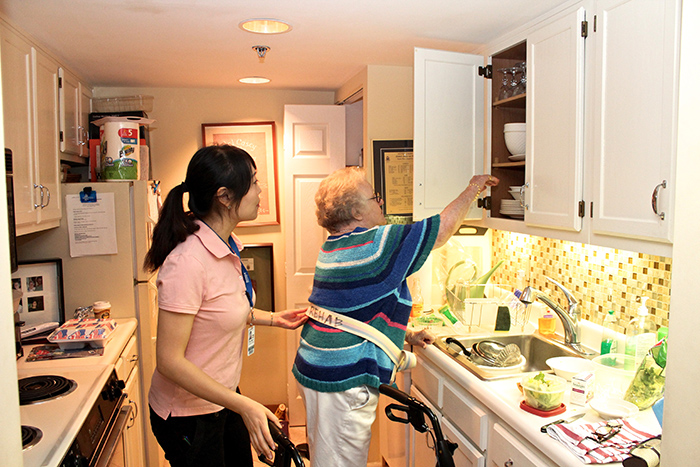
Occupational therapy services help individuals regain the skills they need to perform everyday tasks safely and independently. Whether a patient is recovering from surgery, illness, injury, or managing a chronic condition, occupational therapy focuses on improving the ability to handle daily living activities with greater confidence and ease. In a home health setting, these services are especially valuable because therapy takes place where daily routines actually happen.
What Are Occupational Therapy Services?
Occupational therapy services are provided by licensed occupational therapists who help patients improve their ability to complete essential daily activities. These may include bathing, dressing, grooming, meal preparation, toileting, and moving safely around the home. Occupational therapy also addresses upper body strength, coordination, fine motor skills, balance, and cognitive function when these areas affect day-to-day living.
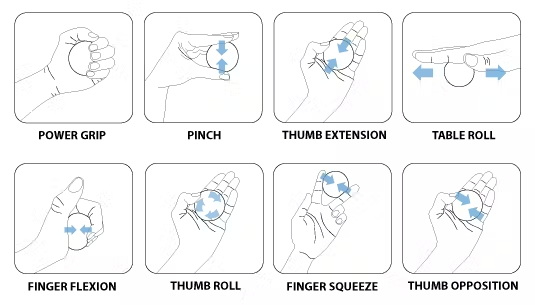
Unlike physical therapy, which often centers more on mobility and physical movement, occupational therapy focuses on helping patients function more independently in their personal environment. Therapists may also recommend adaptive equipment, home modifications, and practical strategies that make life easier and safer for the patient and family.
Who Can Benefit from Occupational Therapy?
Occupational therapy services can benefit a wide range of individuals. Patients recovering from stroke, orthopedic surgery, joint replacement, neurological conditions, or prolonged illness often need help regaining everyday function. Seniors experiencing weakness, balance issues, arthritis, or reduced coordination can also benefit from occupational therapy support.
These services are especially important for patients who want to remain at home but need guidance on how to manage tasks more safely. Occupational therapy can also support family caregivers by showing them techniques that reduce strain and improve care routines.
Where Are Occupational Therapy Services Provided?
One of the greatest benefits of home health occupational therapy is that care is delivered directly in the patient’s home. This allows the therapist to observe the patient’s real environment and recommend solutions that directly address challenges in the kitchen, bathroom, bedroom, and other living spaces.
By working within the home, occupational therapists can identify fall risks, suggest adaptive equipment, and create realistic treatment plans that fit the patient’s lifestyle. This personalized approach often leads to better outcomes and greater long-term success.
Why Choose Occupational Therapy at Home?
Choosing occupational therapy at home offers comfort, convenience, and highly personalized care. Patients can practice the exact tasks they need to improve in the setting where they perform them every day. This makes therapy more practical and directly connected to real-life needs.
Home-based occupational therapy helps patients build confidence, improve safety, and maintain independence. It can also reduce the risk of falls, injuries, and unnecessary hospital visits by teaching better techniques and addressing challenges before they become serious problems.
How to Get Started with Occupational Therapy Services
If you or a loved one may benefit from occupational therapy services, speak with a healthcare provider to determine whether therapy is needed as part of a home health care plan. A licensed occupational therapist can then evaluate the patient’s needs and develop a personalized program focused on independence, safety, and quality of life.
Occupational therapy services are an important part of home health care because they help patients regain confidence in everyday living. With the right support, individuals can continue to live more safely, comfortably, and independently at home.